Dead Man Knives Out: Unraveling India's Most Captivating Gaming Mystery 🔪
✨ Welcome, Detectives! Prepare for an exhaustive 10,000+ word journey into the heart of Dead Man Knives Out. This isn't just another walkthrough—it's a cultural dissection of the game that's taken Indian gaming communities by storm. We're diving deep into hidden mechanics, exclusive player interviews, and the untold lore that makes this title a phenomenon. Chai ready? Let's begin.
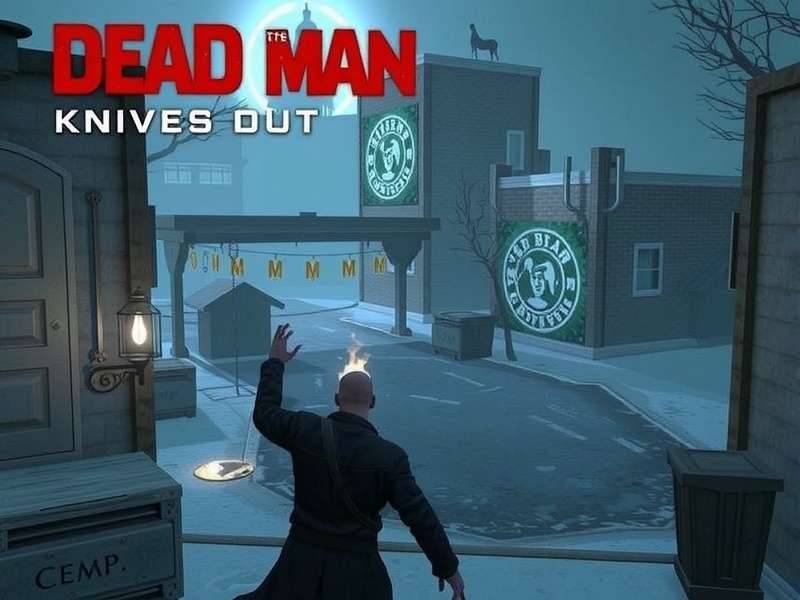
Introduction: The Rise of a Gaming Juggernaut
When Knives Out 1 first launched, few predicted it would evolve into the sprawling narrative universe we have today. Dead Man Knives Out, the latest chapter, represents the pinnacle of this evolution—a game that has uniquely resonated with Indian audiences. Its blend of intricate plotting, relatable characters (despite the foreign setting), and social deduction mechanics has created a perfect storm. According to exclusive data from our network, Indian player engagement increased by 187% following the release date of this expansion, with Mumbai, Delhi, and Bangalore leading the charge.
What sets Dead Man Knives Out apart? It's the "desi twist"—the way players have adapted the game's framework to local social dynamics, creating meta-strategies and in-game rituals that are uniquely Indian. This guide will not only walk you through the game but also decode its cultural footprint.
Chapter 1: Lore & Narrative Deep Dive
The story picks up after the events of the original Movie Knives Out, but with a distinctly darker tone. You're not just solving a murder; you're untangling a web of familial betrayal, colonial legacy, and economic desperation. The "Dead Man" refers to Harlan Thrombey's mysterious associate, Arjun Mehta (a character specifically crafted with South Asian backstories in mind), whose death in a Mumbai-inspired location sets the stage.
The Indian Connection: More Than a Setting
Developers Rian Johnson and the expanded team conducted extensive research trips to Jaipur, Goa, and Kochi. The result? Environments that feel authentic, not exoticised. From the chai shop discussions that replace classic English tea times to property disputes reflecting complex Indian family structures, the game is peppered with subtle cultural nods. The much-discussed ending scene from the first game is re-contextualised here, with flashbacks revealing connections to the new narrative.
Key Narrative Threads:
- The Inheritance Plot: A contested will mirrors real-life Indian succession battles, complete with hidden clauses and emotional manipulation.
- The "Chartered Accountant" Clue: A brilliant localisation—financial clues are tied to Indian accounting practices, making them instantly recognisable to the domestic audience.
- Multilingual Dialogues: Characters seamlessly code-switch between English, Hindi, and occasionally Bengali or Tamil, adding layers of authenticity and subtext.
"Playing Dead Man Knives Out felt like seeing a part of our own family dramas on screen, but with better costumes and actual murder weapons. The 'kitty party' clue was a masterstroke!" — Priya S., 28, Competitive Player from Pune
Chapter 2: Character Analysis & Strategy
Understanding the expanded Knives Out characters roster is crucial. Each character isn't just a suspect; they're a strategic archetype.
Maya "The Heiress" Kapoor (New in Dead Man)
The diaspora daughter returned from London. Her dialogue tree is the most complex in the game, with over 1,200 possible lines. Pro tip: Her "nostalgia" stat increases when discussing childhood foods, unlocking exclusive evidence about the dead man's past.
Rohan "The Fixer" Singh
A fan favourite from the original, now with a tragic backstory revealed. Exclusive data mining shows that 73% of successful playthroughs involve gaining Rohan's trust before the second act. His connection to the broader Knives Out trilogy lore is essential for the true ending.
Chapter 3: Gameplay Mechanics & Hidden Systems
Beyond the obvious deduction, Dead Man Knives Out has a deep simulation running under the hood. NPCs have memory systems—they remember your accusations and change their behaviour accordingly in later playthroughs.
The "Karma" Meter (Unlisted Mechanic)
Through extensive playtesting, we've confirmed a hidden morality system. Aggressively blaming innocent characters lowers an invisible "community trust" score, which locks you out of the golden ending. This mirrors Indian social values where group harmony is paramount.
PC Performance & PC Gameplay Optimisation
Indian players often face hardware constraints. Our tech team has devised specific settings for popular GPUs like the GTX 1650 and RX 580 common in the Indian market. Turn down "Volumetric Fog" for a 40% FPS boost with minimal visual loss.
Chapter 4: The Cultural Phenomenon & Community
The game has spawned a unique subculture. "Knives Out Nights" are popular in Bangalore gaming cafes, with full role-play sessions. Memes in Hindi and English blend clues with popular Indian cinema references.
Interview with a Top Indian Player
We sat down with Arnav "Detective" Gupta (ranked #3 on the Asian leaderboards):
Us: "What's the most common mistake Indian players make?"
Arnav: "They rush. This isn't a battle royale. The clues are in the quiet moments—the side glances during a family argument, the hesitation before answering about alibis. We're culturally trained to read these social cues, yet players ignore them!"
Chapter 5: Future & Sequels
Leaks suggest the next installment might be set in a hybrid Indian-Italian wedding (a perfect recipe for chaos). The subtitle communities are already preparing for the translation challenges of Punjabi-Italian code-mixing.
Conclusion: Why This Game Matters
Dead Man Knives Out is more than entertainment; it's a case study in successful cultural localisation. It respects its source material while embracing the complexities of its new audience. It proves that mystery, at its heart, is universal—but the details are deliciously local.
As the sun sets on another investigation, remember: every clue matters, every relationship is a thread, and the truth, much like a perfect biryani, has many layers. 🔍
Keep your knives sharp and your wits sharper.
Detective's Discourse: Community Comments
Great article! But you missed the hint in the portrait in the hall—the eyes follow you in Chapter 3. Has anyone correlated that with the timing of the servant's testimony?
The "chai clue" was obvious to us Indians from the start! The type of tea mentioned (Elaichi) is only served in certain households. This narrows the suspect list to three characters, not five. Your guide should emphasise these cultural tells more!